

 See My Latest Article on HelloNation

Why Is the Right Asking Price So Critical?
Choosing the right amount to ask for your home is a foundation for a successful sale. Set too high, and the property may sit on the market—sometimes months longer than similar homes. Price it too low, and you risk leaving money behind. In Blue Ridge, local market conditions, buyer expectations, and the diverse nature of homes—from cozy cabins to new builds—make this an important decision for any resident.
How Do Recent Sales Guide Pricing?
Looking at homes sold in the last three to six months provides the most grounded starting point. This means examining properties similar in style, age, and lot size that have actually closed, not just those currently listed.
- Compare finished square footage—not just total size.
- Check if homes had upgrades like renovated kitchens or new roofs.
- Note differences in views, access to trails, or unique privacy, which can affect value.
It’s a common misstep to use asking prices of currently listed homes as a baseline, rather than sold prices. Listings can start high and later be reduced; actual sales show what buyers have agreed to pay.
What Local Factors May Influence Home Value?
Blue Ridge homes draw both year-round residents and buyers seeking vacation retreats. This blend shapes what people are willing to pay. Fundamentals to consider include:
- Proximity to Lake Blue Ridge or mountain trails, which often attract premium prices.
- Seasonal demand—spring and summer usually draw more interest, potentially affecting your strategy.
- Issues like narrow roads or limited winter access can limit a home’s pool of buyers, especially in properties higher in the hills.
Homes with classic wood and stone character may be valued differently than newer builds, depending on what’s sought after in the current season. Keeping a finger on local preferences is just as important as square footage.
How Can Condition and Presentation Impact Price?
Before setting a number, think not just about what the home is, but how it feels to walk through. Homes that show well—decluttered, clean, with small repairs handled—tend to justify higher asking prices and attract offers faster.
For example, a cabin with fresh paint, clean decks, and tidy landscaping may stand out compared to an identical one next door that looks neglected. Small investments ahead of listing can make a measurable difference in buyers’ perceptions, especially in a community where word-of-mouth travels fast.
Are Online Estimates Reliable in This Area?
Online pricing tools are widely used but often provide only broad estimates. In Blue Ridge, homes can vary significantly from one road to the next, and small features—like mountain vistas or creek frontage—aren’t always visible in automated data.
Automated calculators can give a general range, but double-check using:
- Actual recent sales from your part of the city
- Photos and details that match your home as closely as possible
- Adjustments for any major improvements or unique features
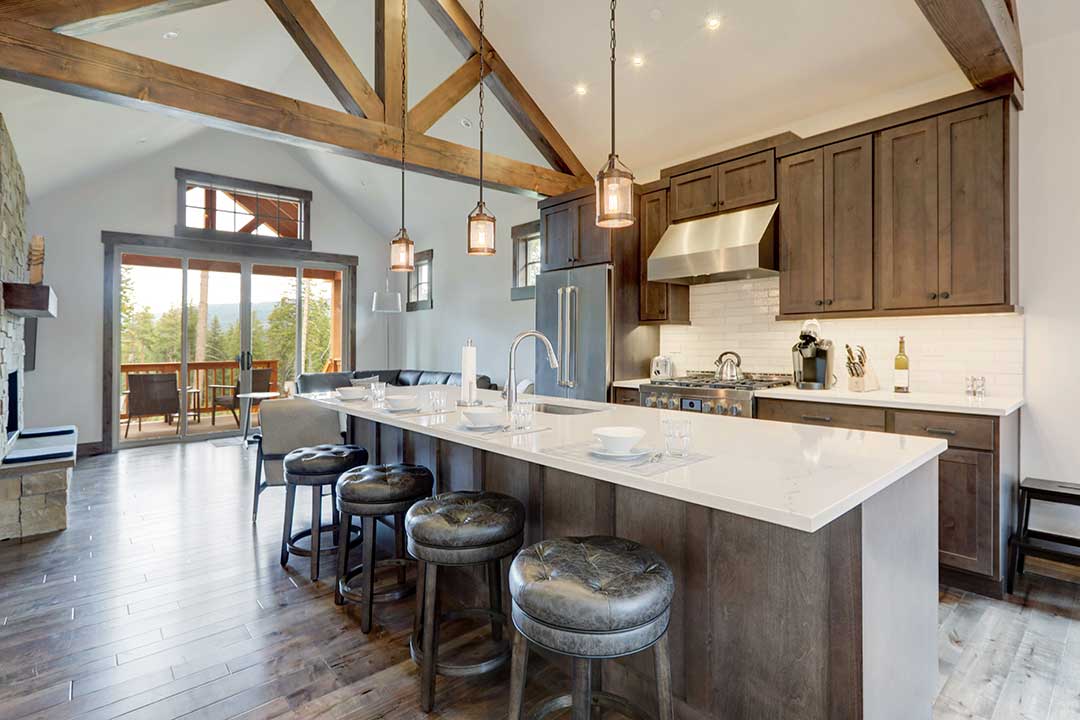
Relying on algorithms alone can lead residents to overprice unique properties or underprice those with hidden value.
What Are Some Common Misconceptions?
Several widespread mistakes can lead to frustration:
- Using a former appraisal (such as from refinancing) without considering how the market has evolved since then
- Factoring in only personal investment or emotional value, which may not align with buyer expectations
- Assuming scarcity always boosts price—some isolated locations may actually narrow demand, not raise value
A thoughtful review of how buyers actually behave in this region leads to a more realistic and effective pricing strategy.
How Can Seasonal Timing Affect Your Strategy?
While homes can sell year-round, Blue Ridge typically sees more buyer activity as the weather warms. Spring and early summer bring second-home buyers and those relocating, sometimes resulting in quicker offers and more competition.
Pricing slightly on the competitive side during these months may produce multiple offers or a faster closing. By contrast, homes listed in the winter may need to be priced more cautiously, since there are fewer active buyers and properties can sit on the market longer.
What If No Offers Come In?
If your home receives little interest after several weeks, that’s often a sign the figure isn’t matching buyer expectations. Tracking feedback from showings can help identify if price is the concern or if condition, presentation, or online visibility are holding things back.
Many successful sellers in this mountain community keep a close eye on market trends each week and react quickly if activity is lower than expected, making a measured price adjustment without delay.
Setting the right number is part local knowledge, part market science, and part adaptability. By focusing on the specific context of homes, trends, and buyer habits in Blue Ridge, residents can make confident, well-informed decisions about where to begin.